Rebbecca Scales

A Global Stage for Gaming
Every October, the Global Gaming Expo (G2E) transforms Las Vegas into the command center of the gaming industry. For more than 20 years, G2E has been the world’s premier gathering of commercial and tribal gaming professionals — a catalyst for growth and innovation by bringing together the global industry to define tomorrow.
More than 25,000 attendees, 400+ exhibitors, and representatives from 120 countries gather to showcase new technology, debate policy, and set the tone for the future of gaming.
More than 25,000 attendees, 400+ exhibitors, and representatives from 120 countries gather to showcase new technology, debate policy, and set the tone for the future of gaming.
This year, the spotlight shines brightly on automation: digital pits, dealerless tables, AI-driven game management, and cashless ecosystems. For slots, blackjack, and roulette, these changes may simply feel like efficiency upgrades. But for poker, they strike at something deeper.
The Shift Toward Digital Pits
Casinos across Las Vegas are leaning into digital pits — replacing live dealers with electronic tables to reduce labor costs, speed up gameplay, and standardize operations. The Golden Gate, a Circa Hospitality Group property, recently became the first casino downtown to eliminate all live dealer games in favor of a fully electronic pit. Circa CEO Derek Stevens defended the move as part of a natural modernization, saying players are “more accepting of technology” on the floor.
For house-banked games, that argument may hold. But for poker, digital pits are a different story. Poker is not just another casino product — it is a game of people, strategy, and psychology. Putting poker entirely on screens risks flattening a living, breathing contest of skill into little more than a video game with chips attached.
Where AI Fits In
Artificial intelligence will be everywhere at G2E 2025 — from customer analytics to security, fraud detection, and personalized marketing. For poker, AI is a double-edged sword. On one hand, smarter surveillance and game integrity tools can protect live rooms from cheating. On the other hand, overreliance on algorithms risks stripping away the human element that defines the game. Poker is, at its core, people against people — not people against code. The challenge ahead is to use AI to support the live game, not replace it.
Why Live Poker Still Matters
-
Economic Value
Poker rooms drive more than rake. They generate hotel stays, food and beverage sales, and secondary revenue streams. Major tournaments bring in thousands of visitors who wouldn’t otherwise step into a casino. Eliminating poker may save payroll in the short term, but it risks losing a loyal player base that fuels wider business. -
Cultural Significance
Poker is a global mind sport, a fixture of American culture, and a signature part of Las Vegas’ identity. From Binion’s Horseshoe to the World Series of Poker, live poker has shaped the city’s brand in a way no electronic pit ever could. -
Player Trust
Live poker reassures players with transparency — you can see the shuffle, watch the cards, and read your opponents. Digital poker, no matter how secure, will always carry skepticism about fairness. Authenticity matters. -
Community & Tourism
Unlike solitary slots, poker is social. It creates community, drives repeat visitation, and keeps Vegas on the map as the world’s poker capital. Losing live poker weakens the very tourism identity that built this city.
A Counter-Signal: The Venetians’ Reinvestment
Not every operator is walking away from live poker. Earlier this year, The Venetian unveiled a brand-new poker room as part of its $1.5 billion reinvestment project. In an era when many live rooms are shrinking or disappearing, this was a bold bet that poker still has a future.
That gamble has already paid off. The new room has been phenomenally well-received, drawing steady traffic from both locals and tourists. Players praise its modern design, comfort, and atmosphere — a reminder that when operators invest in poker, the community responds.
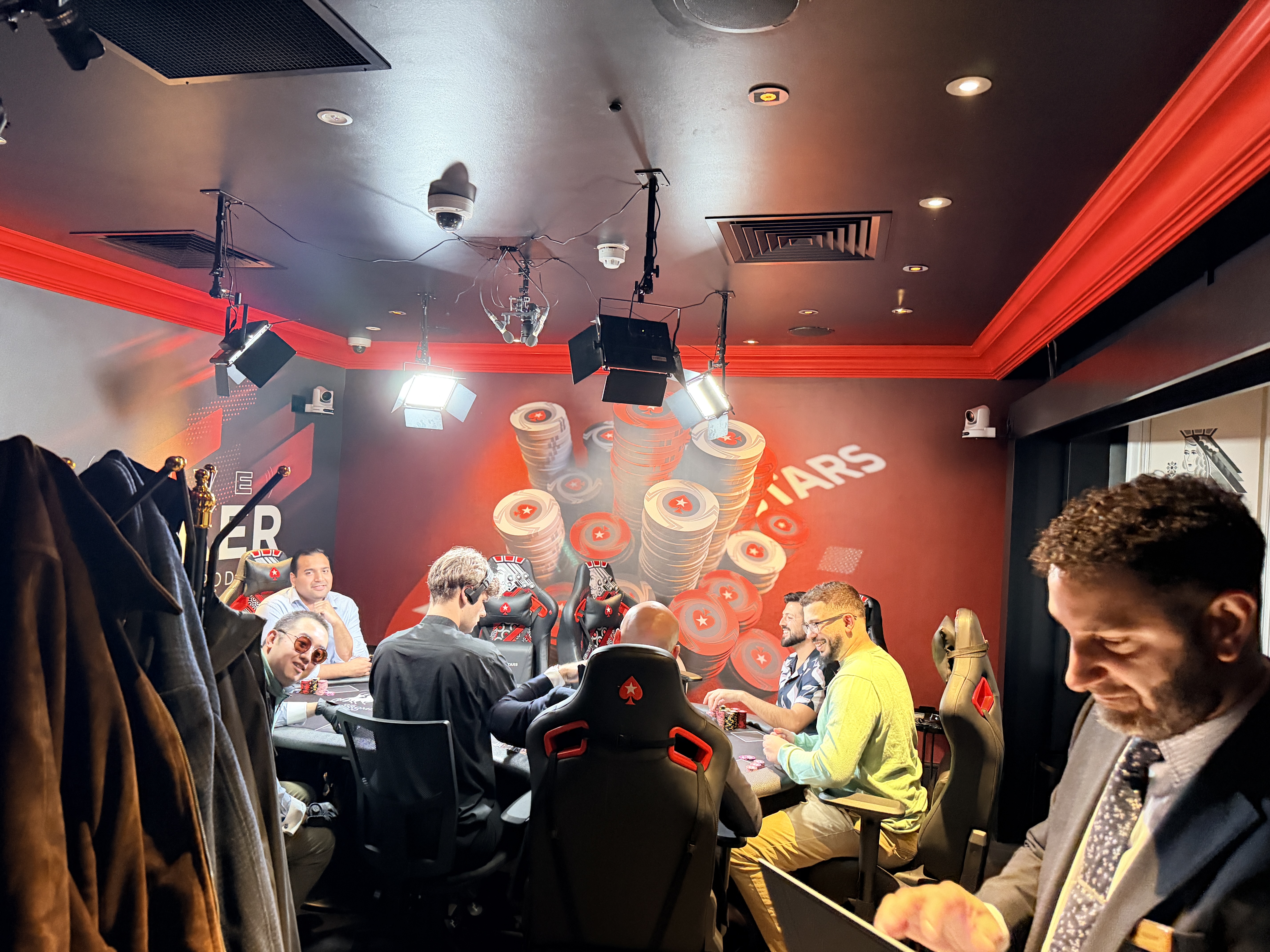
Even more telling, The Venetian has added a dedicated streaming room, positioning itself not just as a venue for live play but as a hub for content creation and digital visibility. In today’s poker economy, where streaming and social media amplify every major event, this move bridges tradition with innovation.
As the host venue for G2E, The Venetian is sending a clear message: live poker isn’t dead — it’s evolving. And with the right investment, it can thrive alongside the digital future.

What Women Poker News Will Be Watching at G2E 2025
Not every poker innovation or discussion will make the stage at G2E — poker often takes a backseat to sports betting, slots, and iGaming. That’s exactly why Women Poker News, the news arm of The Real Poker Girls Media, will be on the ground: to spotlight where poker fits into this rapidly evolving landscape, and to make sure the live game isn’t drowned out by digital noise.
Here’s what we’ll be watching and covering for our readers:
-
Dealerless poker technology — Are these tables being pitched as supplements to live poker, or outright replacements? We’ll be testing the demos and asking the tough questions.
-
Smart shufflers & RFID innovations — Technology that promises more secure, efficient live games. We’ll examine whether these tools actually enhance poker rooms or just add cost.
-
Hybrid “smart tables” — Displays, AR overlays, and cashless systems designed to modernize the live experience. Can they keep poker authentic while embracing tech?
-
Operator signals — Venetian just reinvested in live poker, while Circa’s Golden Gate is eliminating live dealers in pits. Which trend will dominate the conversation?
-
Educational panels — We’ll track whether poker even gets a seat at the table when regulators and executives discuss the future of gaming. If poker voices are missing, we’ll say so.
The debate isn’t about resisting technology. Innovation can make poker safer, more efficient, and more accessible. But poker is not blackjack or roulette. It is not house vs. player. It is people vs. people — and that distinction is its greatest strength.
If casinos and regulators treat poker like every other game, live rooms will shrink, the culture will erode, and the economic halo effect will disappear. If, instead, they recognize poker as a unique asset — one that thrives on human presence and community — it can evolve alongside innovation without being replaced by it.
A Call for Balance
As G2E rolls out the flashiest tech and boldest digital visions, one truth must stay clear: the future of poker shouldn’t be about erasing live tables — it should be about investing in them. Las Vegas’ legacy was built on live poker. It remains a global destination because players want that authentic experience, the reads, the strategy, the community that only happens face-to-face.
At G2E 2025, the industry stands at a crossroads: protect the heart of poker by elevating the live game, or reduce it to just another automated option. One path preserves poker’s soul. The other risk is losing what made the game — and this city — legendary.