


 WPN
WPN
In an era where gender equality in sports is finally gaining the recognition it deserves, the 2024 Olympics in Paris stood as a beacon of progress and inspiration. Achieving a historic 50:50 ratio of female to male athletes, this landmark event showcases the power of dedication and advocacy in leveling the playing field. This significant progress not only offers hope and optimism for women in poker, who currently make up less than 6% of the player base, but also sets a promising precedent for the future of gender growth in poker. By examining the strides made by female athletes and the International Olympic Committee’s (IOC) commitment to gender parity, we can uncover valuable insights to help bridge the gender gap in the poker world.
Gender Parity at the2024 Olympics
Historic Achievement in Paris
Achieving equal quota distribution at the 2024 Olympics marks a significant step toward gender parity in sports. The IOC has meticulously worked to ensure that female and male athletes receive equal quotas, establishing a 50:50 ratio. This decision reflects years of dedication to leveling the playing field and providing equal opportunities for all athletes. Notably, the IOC efforts include a gender-balanced sports program, with 28 out of 32 sports fully gender equal and a balanced number of medal events. For instance, Paris 2024 featured 152 women’s events, 157 men’s, and 20 mixed-gender events. This achievement underscores the IOC’s unwavering commitment to gender equality and sets a hopeful precedent for future international sporting events. This historic achievement in Paris is a powerful model, illustrating that systematic changes can lead to substantial progress in gender equality in sports.
Equal Quota Distribution’s Impact
The equal quota distribution at the 2024 Olympics has far-reaching implications beyond just the numbers. This balanced representation signifies a broader cultural shift toward inclusivity and recognition of female athletes’ contributions. For women worldwide, seeing equal representation on such a prominent stage encourages them to pursue their athletic dreams, knowing they have equal opportunities to succeed. It also challenges outdated stereotypes and fosters a more inclusive environment within the athletic community. Furthermore, equal visibility through scheduling for female athletes often leads to increased media coverage, sponsorship opportunities, and fan engagement, which elevate the sport. This shift benefits individual athletes and enriches the entire sports ecosystem by introducing diverse perspectives and talents. Ultimately, the equal quota distribution at Paris 2024 sets a powerful example for other sports and organizations, demonstrating that gender equality is attainable and beneficial for all.
The Journey to Gender Equality
The journey to gender equality in the Olympics has been long and arduous, but it’s a journey that has seen significant progress. It began in 1900 when female athletes were first allowed to compete, making up just 2.2% of participants. Over the decades, this number has steadily increased, driven by the relentless determination of the IOC and female pioneers in sports. However, it’s important to note that this progress has not resulted solely from female efforts. Male athletes, coaches, and sports organizations have also played a crucial role in advocating for and supporting gender equality in sports. By the 1984 Los Angeles Olympics, women comprised 23% of the athletes, a significant jump that set the stage for future progress. The London 2012 Games saw women’s participation rise to 44%, and Tokyo 2020 almost reached parity with 48%. Advocacy, policy changes, and a growing recognition of the importance of equality have fueled each step forward. Paris 2024’s achievement of a 50:50 ratio is not the culmination but a pivotal milestone in this ongoing journey toward true gender equality in sports.
Learning from the IOC
Female athletes’ journey to gender equality offers valuable lessons for women’s poker growth. One key takeaway is the importance of advocacy and policy changes. Just as the IOC implemented reforms to ensure equal opportunities, poker organizations can introduce measures to encourage female participation. Women in poker face significant barriers similar to those faced by female athletes. These barriers include inadequate representation, discrimination, social stigmas, limited education, harassment, and an unequal playing field. Overcoming these challenges is paramount in cultivating a more inclusive environment and enhancing female involvement in the poker community.
Lack of Representation And Discrimination
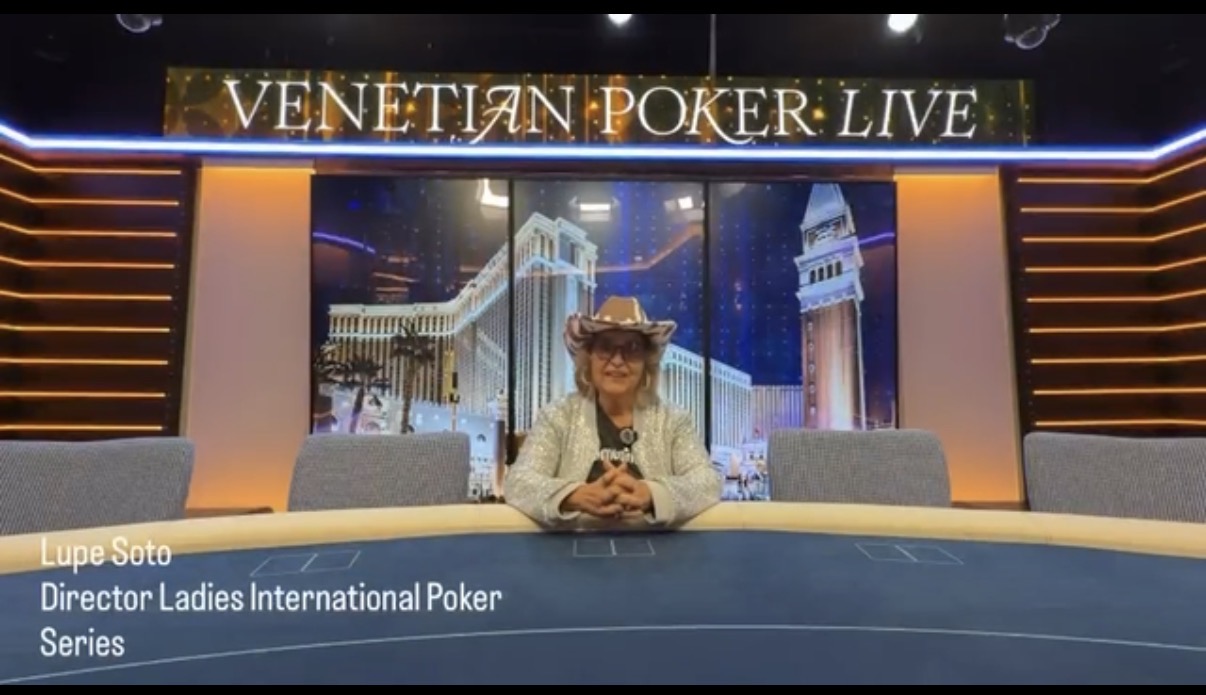
Women in poker are not just missing from the table. They are also missing in the industry at all levels and are often overlooked by the industry, media, and sponsors. They are discriminated against for being female or to pander to the larger community of men. However, some women in the poker industry have chosen not to conform to the norms of patriarchy. The Ladies International Poker Series (LIPS_Tour) is marking its 20th anniversary, and its trailblazing owner, Lupe Soto, has been a leading advocate for women in poker. Like the IOC, she understood the importance of advocacy and policy changes. In 2018, she took a significant step by founding the Women Poker Association (WPA). This non-profit organization connects women players with educational resources and works to elevate the status of women in the industry. With its unified voice, the WPA has compelled the industry to pay attention and inspired a new wave of hope for gender growth in poker.

Social Stigma and Education
Women who choose to play poker often face social stigmas that undermine their skills and abilities in the game. There is a common misconception that women are not as strategic as men, tend to play cautiously, and are primarily in it for attention or social interaction rather than serious competition. These stereotypes can lead to women being underestimated, patronized, or even excluded from certain poker circles. Moreover, female poker players may be perceived as deviating from traditional gender norms, inviting societal judgment and scrutiny.
These prejudices create barriers for women in poker, affecting their confidence, opportunities, and overall gaming experiences. Organizations like Poker Power, the education arm of the WPA, have taught over 50,000 women across 60 countries. This initiative has played a vital role in dismantling the social stigmas associated with women in poker and fostering a more inclusive environment for all players.
Harassment Removal
The WPA recognized the need for a stronger voice and the removal of harassment from the game. In response, they launched the “ Raise it Up” campaign to foster a more inclusive and welcoming environment. When rooms adopt the zero-tolerance harassment policy, this elevates the game and signals to women that this is a safe environment. The latest establishment to embrace this initiative is the Pokerstars Live Room at the Hippodrome Casino. Although it is widely acknowledged that there is no place for tolerating unacceptable behaviors in a poker room, many rooms have failed to adopt the initiative.

Building a Supportive Community
Creating a supportive community is crucial for promoting gender growth in poker. Just as female athletes have thrived through support networks, women in poker need avenues to encourage growth and camaraderie. Developing support programs where experienced female poker players can mentor newcomers is a practical approach that can help women navigate the game’s obstacles and build confidence.
Furthermore, groups such as Pocket Queens, an all-women study group, and LIPS Online, a co-ed collaboration with Bluffers Poker, help women build their bankroll for more visibility in live games and education forums like the Poker Power Play APP that offer free games to learn risk-free in a safe environment. These groups provide women-centric spaces, enabling them to network and grow within the poker community. In addition to peer support, the involvement of male allies is essential. Encouraging men in the poker community to advocate for gender growth and actively support their female counterparts can help break down barriers. By nurturing a culture of inclusion and mutual support, the poker world can become more accommodating for women, leading to increased participation and success. Their support is advantageous and necessary for achieving gender equality in poker.
Role Models
The IOC recognized the significance of role models, exemplified by their spotlight on American gymnast Simone Biles as an inspirational figure for women globally. Biles was elevated as an iconic symbol, motivating and empowering women worldwide. Similarly, the World Poker Association (WPA) has inadvertently fostered a supportive and nurturing atmosphere for women to thrive and build their confidence, resulting in the rise of influential female figures within the industry. Ivonne Montealegre, Vice President of the WPA International Division and owner of the renowned “Malta Poker Festival,” stands out. AJ Ruldof, a respected poker commentator, holds the position of Vice President within the WPA. Tara Windsor Smith, the Director of Business Operations at Faded Spade, currently serves as the President of the WPA. The “The Real Poker Girls of Las Vegas” podcast features the founding WPA board members Tatiana Fox, Lupe Soto, and Rebbecca Scales (Pokerqueenlv). Kerryjane Craigie, an ambassador for Pokerstars, is the Director at Hippodrome Casino and a valued member of the WPA board. Chris Read, a dedicated WPA Advocate, owns “Poker Queens,” a community space that elevates women in poker, while fellow WPA Advocate Sherry Pluskota and WPA supporter Donna Morton host “X” Spaces that is used to promote women’s issues in the game. These examples underscore that women can excel and thrive when provided with a safe and supportive growth space.

A Page From The IOC
The Path Foward For More Inclusive Game
Despite the significant progress made by the WPA for women in poker, the game still faces significant gender inequities. Professional poker organizations should look to the IOC as a gateway to the future. Also, consider expanding women-only tournaments and leagues to give female players more opportunities to showcase their skills and compete at the highest levels. Additionally, creating gender-inclusive policies and facilities can further support these efforts. Collaboration with corporate sponsors and utilizing media outlets led by women or with women-centric policies can also increase the visibility of women in poker, attracting a broader audience and more investment in the game. By creating more opportunities for women at all game levels, from beginner to professional, poker can build a more inclusive and equitable community that enables female players to thrive and excel, ultimately leading to a more prosperous and diverse poker community.







Great article!